

Environmental damage announces itself through wildlife.
Injured, displaced, and poisoned animals are not isolated events. They are evidence. Each one marks a point where human systems meet the living world, and where that relationship begins to fracture. Taken together, these moments reveal where pressure gathers and where ecological failure is already in motion.
EchoWild treats this evidence as instruction. Through close partnership with wildlife rescue organizations, patterns of injury and exposure form a map of environmental stress. Conservation follows that map. Intervention is directed not by assumption, but by what the land has already made visible.
From this foundation, we design place based initiatives that restore structure, reduce preventable harm, and reestablish ecological function. Habitat is rebuilt where it has been stripped of complexity. Native systems return where resilience has been lost. Corridors are reconnected where movement has been interrupted. Each action is shaped by its location and designed to carry beyond it.
As pressure is relieved, systems respond. Landscapes regain complexity. Fewer animals arrive in crisis. The work shifts from constant response to lasting repair.
EchoWild turns what the land reveals into action that restores the systems wildlife and people rely on.
About the Founder
Zara Beard
Founder, EchoWild
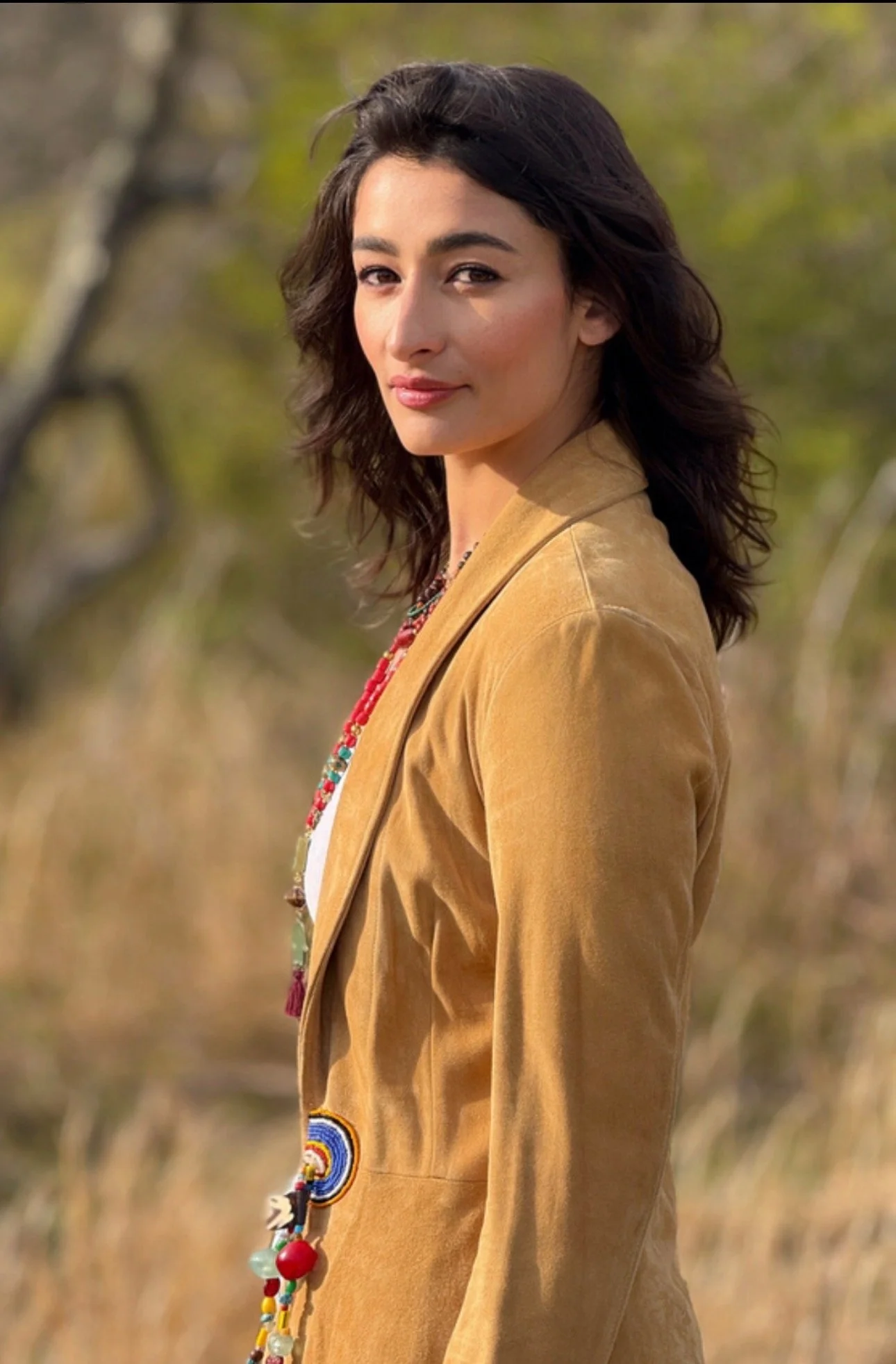
Zara Beard is a wildlife rehabilitator and conservation practitioner, and the founder of EchoWild. Her work focuses on wildlife rescue, habitat repair, and community-based environmental action on the East End of Long Island. She approaches conservation through attention to patterns of harm, treating injured wildlife as early indicators of environmental stress, and designing interventions that address both immediate crisis and long-term repair.
Below is the founding essay that gave rise to EchoWild.

© The Estate of Peter Beard
Echoes of the Wild
By Zara Beard
There are things you learn as a child that no school will ever teach you. You learn them in silence, in observation, in the unspoken intimacy of being close to animals and the people who understand them. My childhood was like that, filled with elephants and egrets, explorers and artists, and long hours spent in a kind of stillness most people would mistake for boredom, but which was, in truth, something greater: reverence.
My father, Peter Beard, was a man who never needed reminding that the world was alive. He found poetry in a beetle and tragedy in a dying tree. He believed the most important thing we can do is not conquer nature, but remember we are part of it. He photographed life not to possess it, but to honor it. In those shadowed, sun struck corners of wilderness, I began to see the world not as something to fix, but as something to listen to.
Years passed. I became a mother. I moved to a place where beach houses grow like mushrooms and lawns are sprayed into perfection. But the wild has a way of clinging to you, like burrs on your socks or the scent of a fire long after it’s gone out. Before long, the old questions returned, louder now.
What if the point of rescue wasn’t only to treat a wounded animal, but to understand what wounded it? What if the osprey caught in fishing wire, or the hawk poisoned by rat bait, was not just a tragedy, but a message? What if we built something that listened, and responded?
That was the beginning of EchoWild, though in truth it began long before the name. You could call it a conservation organization, but that sounds bureaucratic for something that is, at its heart, a love letter to the wild. We begin with wildlife rehabilitation, yes, but we don’t stop there. Each injury is a signpost, a clue to something broken in the wider system. Rather than treat symptoms in isolation, we work to change the conditions that caused the wound.
It’s a multi spectrum model, because nothing in nature is ever neat or linear. We work with scientists and schoolchildren, with town councils and gardeners, with people who have never touched a bird and those who have held too many dying ones. We try to repair not just bodies, but habitats. And not just habitats, but habits.
Sometimes I think we’re trying to rewild people as much as the land. We’ve become so civilized we forget how to see. We pave the world and then wonder why the deer eat our roses. EchoWild is a reminder that wonder still exists. You can feel it in the rush of wind through beach grass, or in the trembling pause before a rehabilitated owl lifts into the sky from your open hand.
I don’t know what my father would make of all this. He mistrusted anything institutional. But I like to think he’d understand. That he’d see in it not just his influence, but something new, rooted in memory and reaching forward. Something living, grown from grief but not defined by it.
This work isn’t a monument. It isn’t even a cause, exactly. It’s a form of devotion. A way of tending to the living world with both hands open. A quiet promise, repeated: I haven’t forgotten you.
The wild is still speaking. Still watching.
And I am learning, slowly and humbly, with my heart wide open, how to listen.
And how, at last, to answer.
A Call
For Help:
Why We
Can’t Do
It Alone

EchoWild exists because the wild cannot endure on intention alone. It requires action, resources, and people willing to take responsibility for its future.
Our work is shaped by what we see on the ground. Injured animals arriving at wildlife hospitals. Landscapes under strain. Patterns of harm that repeat because their causes remain unaddressed. These realities call for more than care in the moment. They demand sustained investment in restoration, prevention, and education.
Support allows us to act where it matters most. It helps fund wildlife care, restore damaged habitats, and translate rescue data into conservation strategies that reduce future harm. It allows us to work upstream, addressing the conditions that place animals at risk before injuries occur.
Every contribution supports work in the field. Native plantings that stabilize land and water. Initiatives that reduce preventable injury. Programs that help communities coexist with wildlife more responsibly. The impact is immediate, but it is also cumulative.
This work cannot be done alone. It moves forward because people choose to stand behind it.