
Theory of Change
Introduction
The pressures facing wildlife on the East End, including habitat loss, fragmented corridors,
polluted waterways, and the quiet disappearance of once-familiar species, are not inevitable.
They reflect a growing separation between people and the natural world. Many in the
community want to help but lack the knowledge, structure, and support required to make
meaningful change. EchoWild was created to bridge that distance and to restore the continuity
between human life and the living landscape.

Our Pillars
Wildlife Rescue
Immediate intervention for animals that are injured, displaced, or vulnerable. Each case offers insight into the environmental pressures affecting the region.
Conservation Initiatives
Restoring habitats, expanding native plantings, reducing preventable harm, and strengthening the ecological networks that sustain local species.
Education and Cultural Engagement
Cultivating environmental literacy in children and adults, and strengthening the community’s sense of responsibility for the natural world
How Change Unfolds
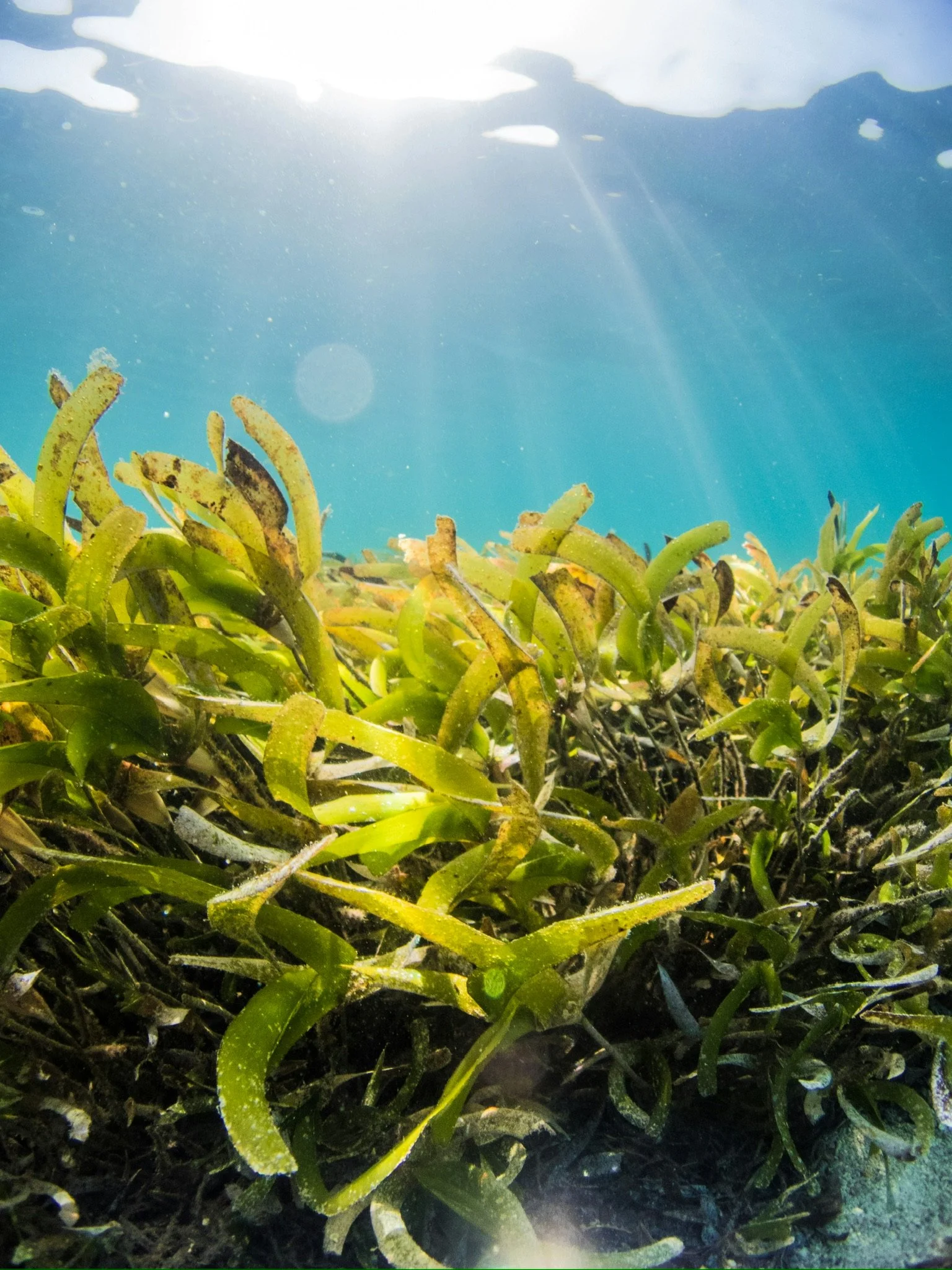
The path of change begins quietly. Knowledge becomes awareness. Awareness becomes action. Action becomes restoration. Restoration becomes culture. As people recognize theneeds of their landscapes, they begin to see the wild not as something peripheral but as something continuous with their own lives.
Habitats recover. Biodiversity strengthens. Children grow up understanding that the natural world is entrusted to them. Over time, a different relationship forms, shaped by responsibility, reciprocity, and care.
Our Work in Practice
EchoWild invests in ecological expertise, community partnerships, and hands-on wildlife care. This work takes shape through habitat restoration, native plant installations, rescue response, school programs, and initiatives that reduce preventable harm.
The immediate results are visible.
Wildflower corridors and rain gardens take root.
Safer fishing practices begin to spread.
Children learn the names and needs of local species.
Injured wildlife receives care before their injuries become fatal.
The long-term outcomes are quieter but more far-reaching.
Ecosystems grow healthier.
Biodiversity increases.
Conflicts between people and wildlife diminish.
The community comes to see itself as a vital part of its own environment.

Enduring Impact
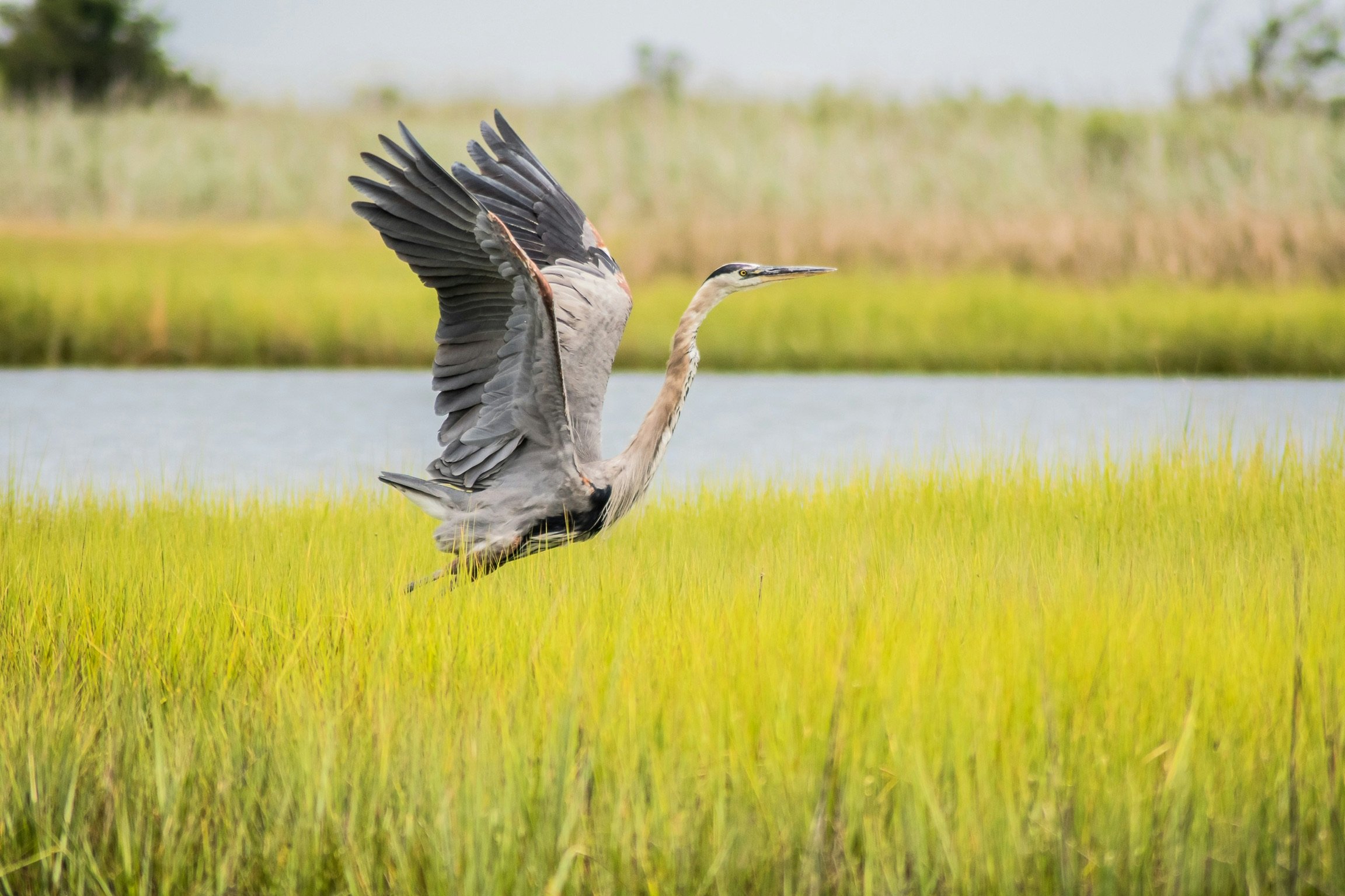
Our goal is not only to preserve what remains but to reimagine what is possible. When people are given the tools to understand and restore the places where they live, a shift occurs. Care becomes habitual. Stewardship becomes instinctive. Landscapes begin to heal not because ofany single intervention but because the community has embraced a new way of relating to the world around it.
Closing Statement
This is EchoWild’s theory of change, a return to relationship, a restoration of continuity, and the belief that when people and ecosystems are reconnected, both can begin to thrive again.